How Much to Start a Podcast in 2026
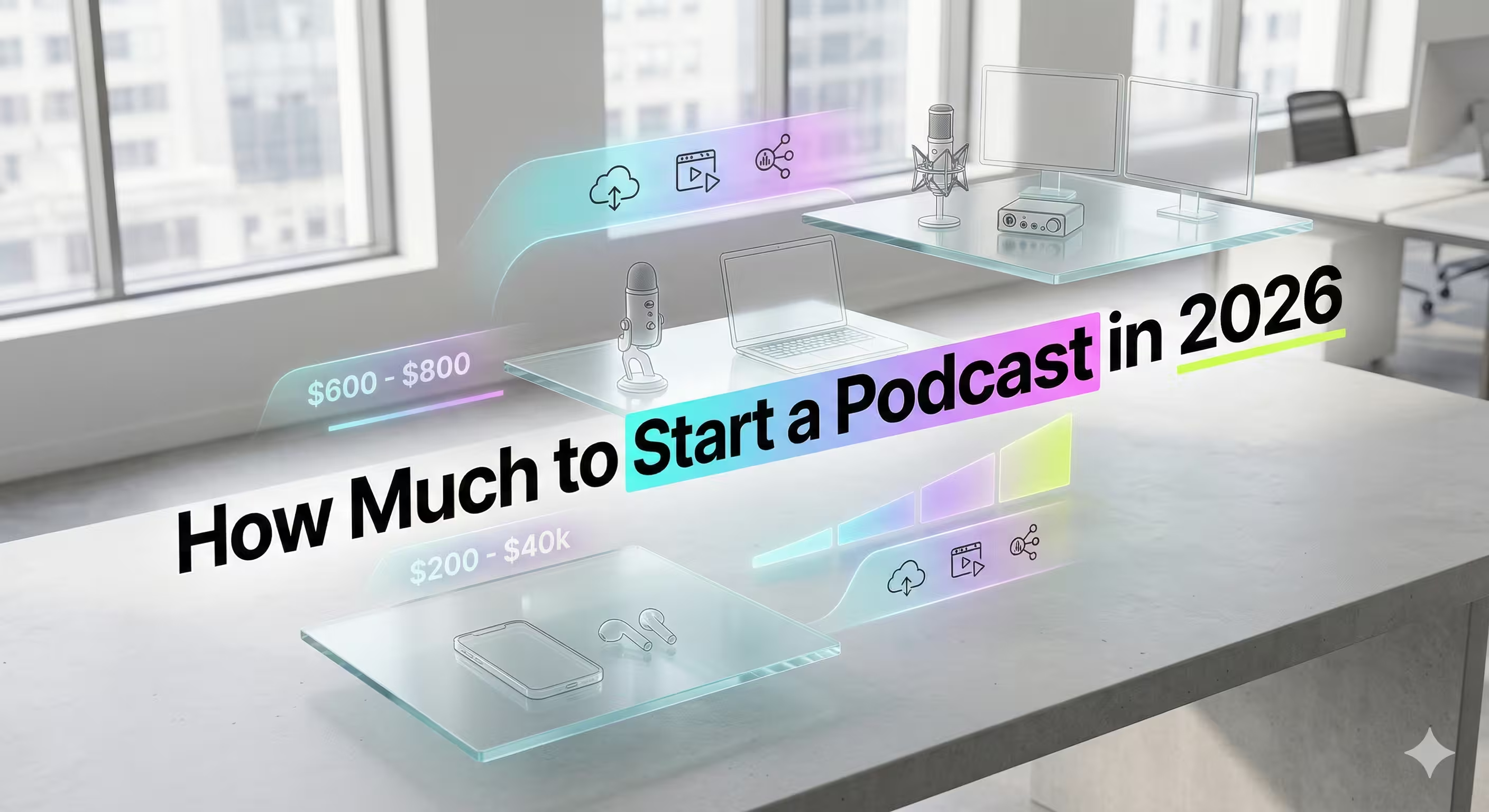
So, what's the real cost to get a podcast off the ground? The honest answer is that it completely depends on your ambition, but you can absolutely launch for as little as $0. Think of it as a spectrum—you can start with a simple, effective DIY setup or go all-in on a professional, studio-quality production.
A Quick Answer to Your Podcast Startup Costs
The price tag for starting a podcast isn't a single number. It’s a range that hinges on your goals and the resources you have on hand. To budget properly, you first need to grasp the difference between your initial, one-time investment and the ongoing expenses that keep your show running and growing.
It's entirely possible to dive into podcasting without spending a dime, especially if you're a solo creator just testing an idea. A bare-bones setup can run anywhere from $0 to $300. You can start with your phone's built-in microphone, use free editing software like Audacity, and find hosting platforms with free tiers to get your show on Spotify and Apple Podcasts at no initial charge.
This infographic breaks down what those first steps look like across three common budget levels.
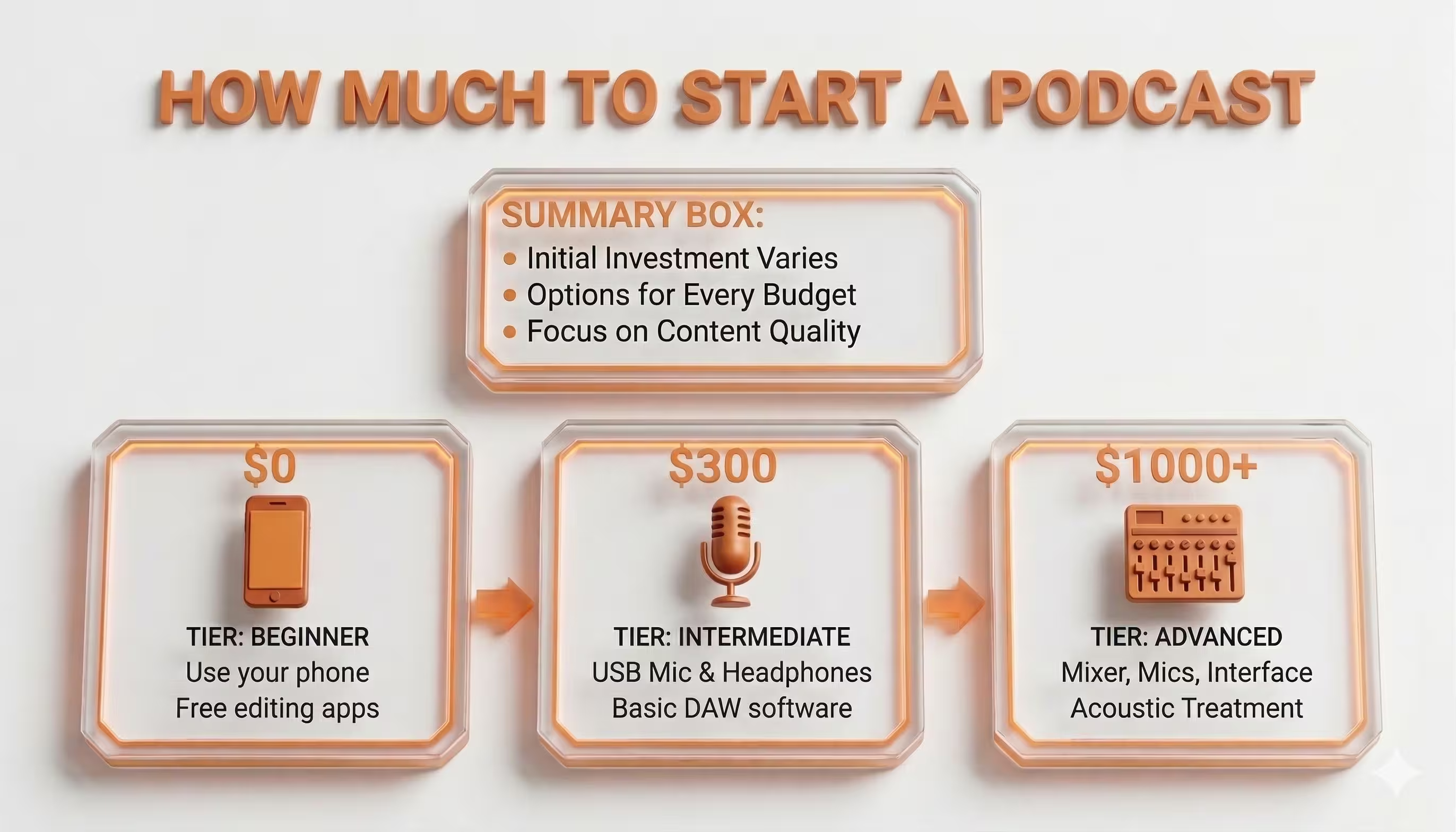
As you can see, while starting for free is a great way to test the waters, even a modest investment of around $300 can dramatically improve your audio quality—a critical factor for keeping listeners hooked.
To help you get a clearer picture of where you might start, this table summarizes the typical one-time costs for each tier.
Podcast Startup Costs At a Glance
This gives you a quick snapshot of the initial investment needed. Now, let’s dig into how those costs break down over time.
One-Time vs. Ongoing Expenses
To build a realistic budget, you have to separate your initial setup costs from your recurring operational costs.
- One-Time Costs: These are the upfront purchases to get your "studio" ready. This almost always includes equipment like microphones, headphones, and maybe an audio interface. You buy them once, and you're good to go.
- Ongoing Costs: These are the recurring fees you'll pay monthly or annually to keep the show live. The big ones here are your media hosting service, transcription services, and any software subscriptions for editing or marketing.
Think of it this way: your microphone is a one-time purchase like buying a car. Your media hosting fee is like paying for gas and insurance every month. Both are essential, but you budget for them differently.
This guide will break down exactly what you can expect to spend at every level, from a passion project launched from your bedroom to a polished media asset for a B2B brand. By understanding these tiers, you can make the right call for your show and your goals.
The Scrappy Starter: Your Free to $300 Launch Plan
Starting a podcast on a shoestring budget isn't just possible—it's smart. For founders, creators, and hobbyists ready to get their message out, launching for under $300 is the perfect way to test your concept, learn the ropes, and build an audience without a major financial commitment.
This approach is all about using what you already have and making one small, strategic investment where it counts the most.
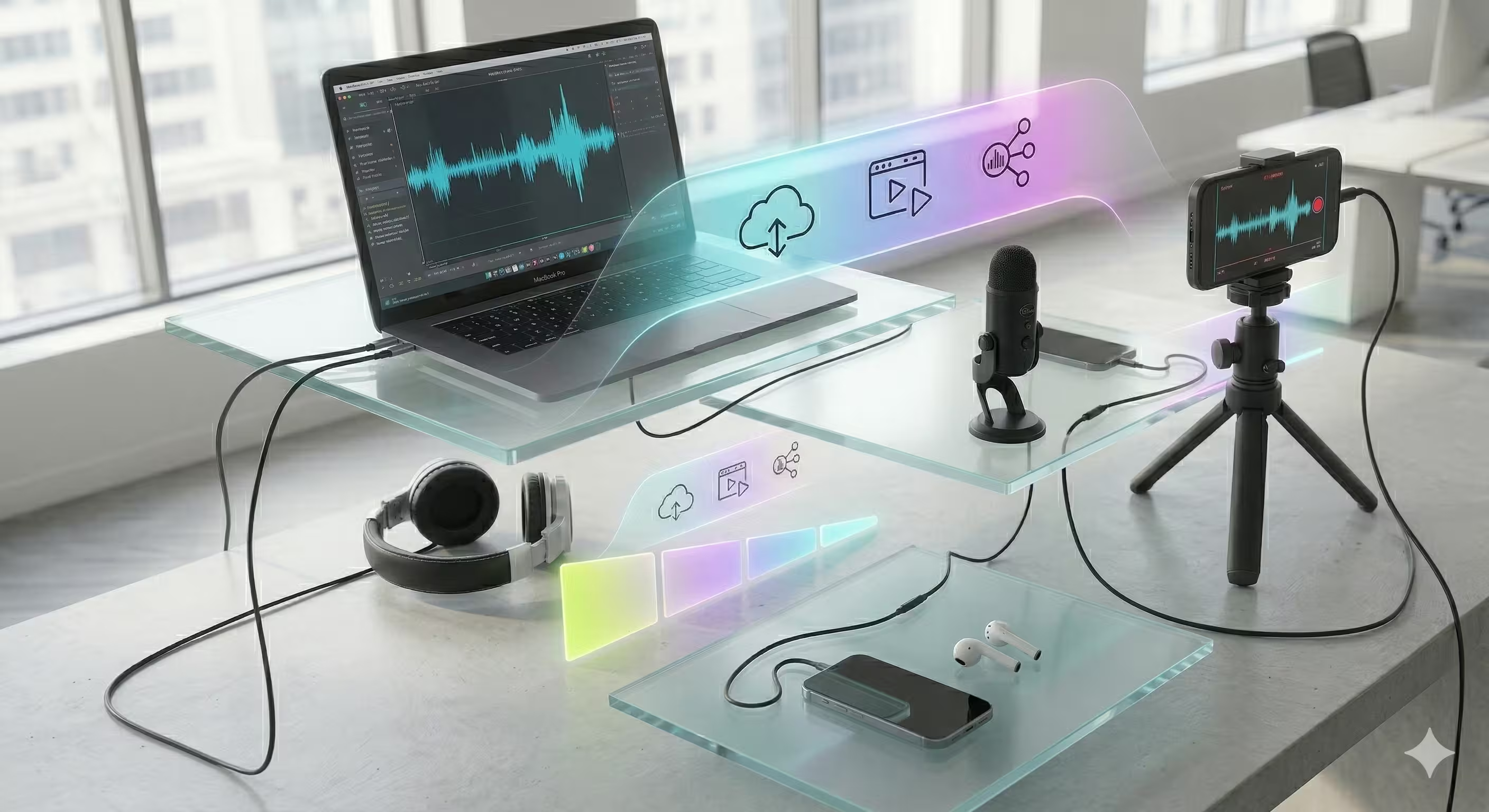
Think of it as your podcasting launchpad. You can get off the ground for free, but just a little fuel will push you into a much higher orbit.
The $0 Starting Point: Using Your Existing Tech
Believe it or not, you can get your first episode recorded and published without spending a dime. You likely already own all the essential tools.
- Recording: Your smartphone is a surprisingly good recording device. With a quiet room, the built-in microphone can capture clean, usable audio.
- Computer: Any laptop or desktop you own is powerful enough to handle basic editing and uploading.
- Headphones: Grab any pair you have, even the simple earbuds that came with your phone. They’re absolutely critical for monitoring your audio as you record to catch any background noise or glitches.
This no-cost setup is perfect for validating your show idea. Record a few test episodes, share them with trusted friends, and see if podcasting feels right for you before you open your wallet.
The Single Most Important Upgrade: Under $150
If you do have a small budget, there is one purchase that will give you the biggest bang for your buck: a quality USB microphone. While your phone gets the job done, a dedicated mic provides a massive leap in audio quality, making your voice sound richer, clearer, and far more professional.
Listeners will forgive clunky editing or basic cover art, but bad audio is often an instant deal-breaker. Investing in a decent mic is the single fastest way to sound credible and keep people tuned in.
Look for trusted plug-and-play models like the Blue Yeti, Rode NT-USB Mini, or Audio-Technica AT2020. These mics connect directly to your computer and typically run between $70 and $130. To see which one is right for you, check out our recommended microphones for podcasting.
Free Software and Hosting: The Engine of Your Show
Your mic captures the audio, but software and hosting are what get your show out to the world. Luckily, there are excellent free options available that are more than enough to get you started.
Recording & Editing Software
- Audacity: A free, open-source audio editor that has been a staple for podcasters for years. It has all the tools you need for trimming, noise reduction, and mixing your audio.
- GarageBand: If you're a Mac user, GarageBand is a fantastic and intuitive free program that comes pre-installed on your computer.
Podcast Hosting Platforms
- Spotify for Podcasters (formerly Anchor): Offers completely free, unlimited hosting and simple, one-click distribution to all the major players like Apple Podcasts and Google Podcasts.
- Buzzsprout's Free Plan: Perfect for a new weekly show, it lets you upload a few hours of audio every month without any cost.
The Bottom Line: Your $0 to $300 Budget Breakdown
This scrappy approach puts learning and testing your content first, not spending. A huge number of podcasts fizzle out in their first year, but a tiny investment can completely change that trajectory. By putting just a small amount toward better audio, creators dramatically improve listener retention.
Here’s what that looks like in practice:
- Bare-Bones ($0): Smartphone + Free Software + Free Hosting = $0
- Quality Boost ($70 - $150): USB Mic + Free Software + Free Hosting = ~$100
- The Full Scrappy Kit ($150 - $300): USB Mic + Pop Filter + Headphones + Free Hosting = ~$200
Starting small isn't a compromise—it's a strategy. It lets you focus on what really matters at the beginning: finding your voice, honing your message, and building that first crucial connection with your audience.
The Serious Creator: Investing for Audience Growth
So, you're past the "what if" phase. You've got a solid concept, maybe a few episodes under your belt, and you're starting to see those first, exciting signs of a real audience. This is the moment to shift from a scrappy beginner to a serious creator.
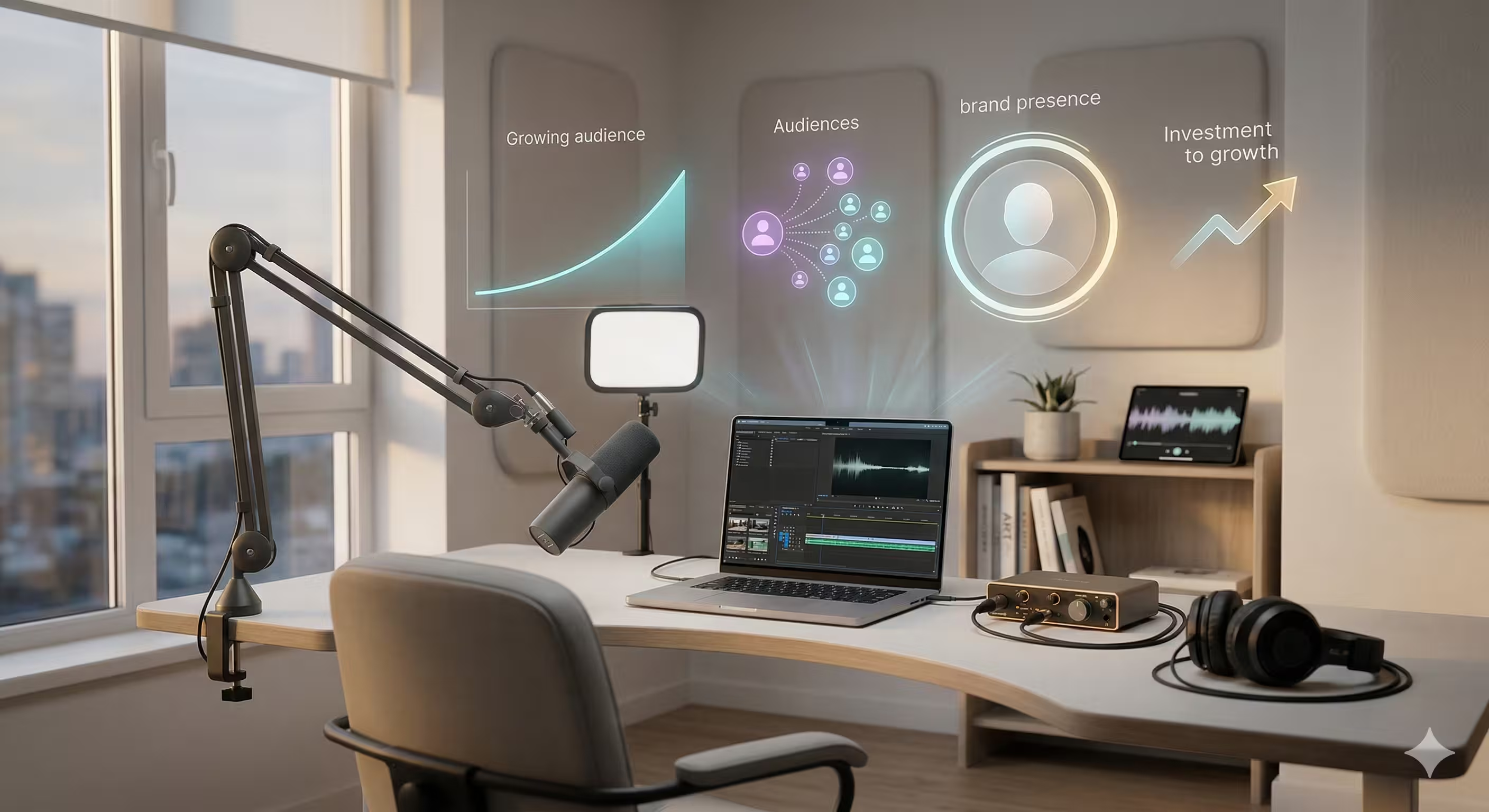
This is where a smart investment can turn your podcast from a side project into a genuine engine for audience growth and brand building. We're talking about a budget of $1,000 to $3,000 for your initial setup. It’s not just about buying gear—it’s about buying the professional polish that makes new listeners trust you instantly.
Upgrading Your Audio: The XLR Advantage
The single biggest leap in quality you can make is moving beyond a simple USB mic. While they're great for getting started, an XLR microphone and an audio interface are what separate the amateurs from the pros.
Think of it this way: a USB mic is an all-in-one printer. It gets the job done. An XLR setup is a dedicated, high-resolution scanner paired with a professional photo printer—each part is specialized for the best possible result.
- XLR Microphones: These mics capture a far richer, more detailed sound. They don't plug straight into your computer. Instead, they use a standard three-pin cable to connect to an interface.
- Audio Interfaces: This little box is the magic translator between your pro-level mic and your computer. It converts the mic's analog signal into a clean digital one, giving you much better sound quality and hands-on control over your recording levels.
This mic-and-interface combo is the industry standard for a reason. It delivers that warm, broadcast-quality audio that makes listeners feel like they're right there with you, hanging on every word.
Building Your Semi-Pro Studio
Once you’ve got your core audio sorted, a few key accessories will complete your studio, making recording smoother and your final product sound much cleaner.
Essential Studio Accessories:
- Boom Arm: This clamps to your desk and holds your mic exactly where you need it. It keeps your desk clear and, more importantly, isolates the mic from bumps and vibrations.
- Pop Filter / Windscreen: That simple screen you see in front of a podcast mic? It diffuses the harsh "p" and "b" sounds (plosives) that create an ugly popping noise in your audio.
- Studio Headphones: Ditch the consumer earbuds. Closed-back studio headphones let you hear exactly what the mic is picking up, without any sound leaking back into your recording.
For creators and brands ready to grow, that $1,000–$3,000 startup cost is the sweet spot. It gets you a professional sound that builds listener loyalty. A setup in this tier might include an XLR mic like a Rode PodMic (around $99), an audio interface ($150+), quality headphones ($100), and the other essentials. This is the kind of setup that can help a show achieve its first 500–5,000 downloads.
Investing in Brand and Growth
With your audio sounding professional, it's time to make sure your podcast looks the part and actually reaches people. This means investing in your brand and your distribution.
Great audio gets a listener to stay, but strong branding gets them to click in the first place. Your cover art is your show's first impression—make it count.
Set aside a piece of your budget for these growth drivers:
- Professional Cover Art: In a crowded podcast app, your cover art is everything. A pro design signals quality and helps you stand out.
- Intro and Outro Music: Licensed, professional music creates a sonic identity for your show. It makes you sound established and polished from the first second.
- Paid Hosting Services: Free hosting has its limits. A paid plan (usually $15-$40/month) unlocks vital analytics. You'll see who's listening, where they're from, and which episodes are resonating—critical data for growth.
This isn't just spending money; it's building a foundation. By leveling up your sound, branding, and data insights, you're paving the way for sponsorships and building a real brand asset. Of course, to make that investment pay off, you need to know how to market a podcast effectively.
The Professional Podcaster Building a Brand Asset
When your podcast moves beyond a passion project and becomes a core part of your brand strategy, you’re playing in a different league. This is where a podcast isn't just another piece of content—it's a media asset built for market leadership and high-value lead generation. For established brands and serious creators, the initial investment starts at $5,000+ and often goes much higher.
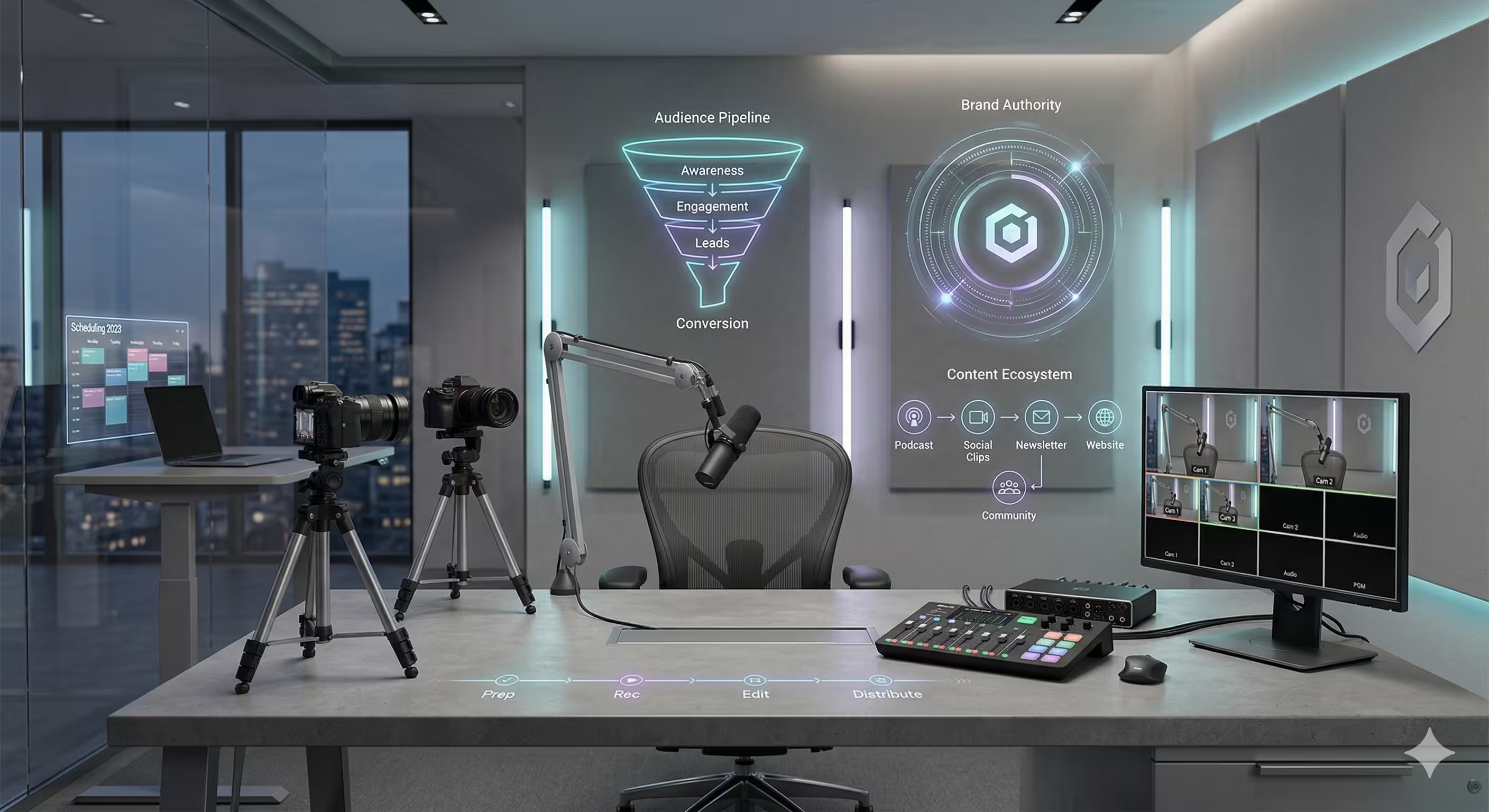
This level of investment shifts the goal from "good enough" to broadcast-quality production, especially with video. You're not just buying gear; you're building a complete production ecosystem designed to deliver consistent, top-tier results.
Investing in Broadcast-Quality Equipment
At the professional tier, every single component is chosen to deliver a flawless final product. The aim is to remove any technical distraction between your message and your audience.
The foundation of this setup is a high-end dynamic microphone like the Shure SM7B or Electro-Voice RE20. These are the industry standard in broadcasting for a reason—they produce a rich, warm vocal tone while expertly rejecting background noise.
But a great mic is just one piece of the puzzle. The full equipment list for a pro-level show is far more extensive.
- Multi-Channel Mixers or Interfaces: Gear like the RodeCaster Pro II or a Universal Audio Apollo interface lets you manage multiple hosts and guests with granular control, ensuring a perfectly balanced mix.
- Acoustic Treatment: This means adding sound-absorbing panels, bass traps, and diffusers to your recording space. It’s not about blocking noise from the outside; it’s about taming the sound inside the room to kill echo and reverb for a clean, professional recording.
- Multi-Camera Video Setup: A pro video podcast needs more than a webcam. This budget allows for multiple high-quality cameras (like the Sony a6400 or Canon M50) to capture different angles, creating a more dynamic and engaging show for platforms like YouTube.
- Professional Lighting: A three-point lighting setup (key, fill, and back lights) is non-negotiable. This standard technique makes subjects pop, separates them from the background, and gives your video a polished, cinematic feel.
Expanding Beyond Gear to Production Workflow
For a brand, time is money. At this level, how much it costs to start a podcast is less about one-time equipment costs and more about the ongoing investment in talent and time. The workflow is simply too intensive for a founder or marketing director to manage on their own.
When you're building a brand asset, you stop being a podcaster and start being an executive producer. Your job is to guide the strategic vision, not to spend ten hours a week editing audio or creating social media clips.
This is the point where you build a team, whether you hire in-house or outsource to an agency. Bringing in dedicated professionals is a strategic move for maintaining quality and consistency.
Budgeting for a Professional Production Team
The real cost of a top-tier podcast is in the specialized talent that brings it to life. Outsourcing to skilled freelancers or partnering with a full-service production company is essential to maintain a frequent publishing schedule without burning out your team.
Key Roles to Budget For:
- Producer/Showrunner: The strategic lead. They handle everything from guest booking and research to overseeing the entire production, making sure every episode hits your brand’s goals.
- Audio Engineer: An audio expert does much more than remove "ums" and "ahs." They mix tracks, apply EQ and compression, master the final audio for different platforms, and handle sound design.
- Video Editor: A must-have for any video podcast. This role involves cutting between camera angles, adding motion graphics, color correcting footage, and creating a polished final video ready for distribution.
- Content Repurposing Specialist: This person is a force multiplier. They slice up your long-form episode into dozens of micro-assets—short-form videos for TikTok and Reels, audiograms for LinkedIn, quote graphics, and SEO-optimized blog posts.
A professional podcast is an investment in your brand's authority. While the $5,000+ starting price might seem steep, it’s what’s required to build a powerful asset that generates leads, strengthens audience loyalty, and cements your status as a thought leader for years to come.
Uncovering the Hidden Costs of Podcasting
Most aspiring podcasters focus on the upfront costs: a good microphone, maybe a camera, and a hosting plan. But those are just the price of admission. The real answer to "how much does it cost to start a podcast?" is found in the ongoing, often invisible expenses that make or break a show.
The single biggest hidden cost isn't measured in dollars, but in hours: your time.
For a busy founder, executive, or marketing team, trying to do it all yourself quickly creates a major bottleneck. The hours spent editing audio, cutting video, writing show notes, and creating social clips are hours you can't spend on your core business. This is where the old saying "time is money" hits hard.
The True Cost of a DIY Workflow
Let's put some real numbers to it. Imagine you're a founder whose time is valued at $200 per hour.
A single one-hour podcast episode can easily demand 4-8 hours of post-production work. That’s just for the basics—removing mistakes, balancing audio levels, adding your intro music, and mastering the final file.
At that rate, you are effectively "spending" $800 to $1,600 of your own time on every single episode. That calculation doesn't even factor in writing SEO-friendly show notes or creating audiograms and social media clips. Suddenly, the "free" DIY approach looks incredibly expensive.
Budgeting for Outsourced Production Services
This is the point where outsourcing becomes a strategic investment, not just a luxury. When you're ready to buy back your time, you can turn to skilled freelancers or an agency. This moves the cost from your calendar to your budget, creating a predictable expense you can plan around.
Professionals often spend $75–$500 per episode on audio editing alone. Outsourcing this frees up 4 to 8 hours every week for a busy executive. This mid-tier investment is what separates struggling shows from successful ones. For instance, 60% of "serious" podcasts hit 10,000 downloads in their first year, compared to just 20% of shows with bare-bones production. You can dive deeper into how these investments pay off by exploring data on podcasting costs and outcomes.
Here’s a breakdown of common outsourced services and their typical costs:
- Audio Engineering: This is more than just editing. A professional engineer will mix, master, and apply sound design to create a polished, high-end sound. Expect to budget $75 - $300+ per episode.
- Video Editing: For video podcasts, a good editor is non-negotiable. They will cut between camera angles, add graphics, and color correct your footage. Costs typically range from $150 - $600+ per episode.
- SEO Show Notes & Content Repurposing: A skilled writer can turn your episode into detailed, keyword-optimized show notes that double as a blog post, boosting your search visibility. This service often costs $50 - $200 per episode.
The Cost of Promotion: Getting Your Podcast Heard
Recording a great episode is only half the battle. If no one hears it, did it really happen? A classic rookie mistake is failing to budget for promotion. Without a dedicated marketing push, even the best content gets lost in the noise.
Your marketing budget is what turns your podcast from a well-produced monologue into a conversation with your target audience. It's the fuel that drives discovery and growth.
Effective promotion needs a multi-channel approach and a budget to match. Here are the key promotional expenses to plan for:
Essential Promotional Tactics & Costs:
- Social Media Ads: Run targeted ad campaigns on platforms like LinkedIn, Instagram, or Facebook to push new episodes and grow your listenership. Budget at least $100 - $500 per month to see meaningful results.
- Audiograms & Video Clips: Short, engaging video clips and audiograms are a must for social media. If you're outsourcing this, budget $30 - $75 per clip.
- Guest Outreach Tools: Using services like PodcastGuests.com or PodMatch to book guest spots on other shows can cost $10 - $50 per month.
By factoring in these hidden production and promotion costs, you get a much more realistic picture of what it takes to launch a podcast that actually achieves your business goals. This foresight allows you to build a sustainable show that respects your time and delivers a measurable return.
How a Production Partner Elevates Your Podcast
As your podcast starts to take off, a funny thing happens. The scrappy, DIY approach that got you here suddenly becomes the very thing holding you back.
This is especially true for high-quality video podcasts. Suddenly, you’re not just a host—you’re a scheduler, video editor, graphic designer, and content strategist, all rolled into one. Your focus shifts from how much to start a podcast to how much it costs to keep it alive and actually grow it.
This is the point where a production partner completely changes the game. It’s a strategic shift from just managing expenses to zeroing in on your return on investment (ROI). Instead of piecing together a team of freelancers—an editor here, a writer there—a productized service like micDrop gives you a single, well-oiled machine.
Beyond Freelancers: A Cohesive Production Engine
When you’re juggling a handful of freelancers, you’re still the project manager. You’re the one doing quality control, chasing deadlines, and making sure all the different pieces actually fit together. A dedicated production partner steps in as your executive producer, owning the entire workflow from start to finish.
Think of it this way: hiring freelancers is like buying all the best car parts and then trying to build the engine yourself in your garage. Partnering with a production service is like having a professional crew install a fully built, high-performance engine. It just works.
This integrated approach is non-negotiable for serious brands that demand consistent, top-tier output without the operational drag. You can explore this more in our guide to choosing a podcast production service.
Maximizing Your Impact with Strategic Repurposing
The real value of a true production partner goes way beyond just cleaning up your audio and video. The goal is to squeeze every last drop of value out of every single recording session. For any modern brand, this means turning one long-form video podcast into an entire content campaign.
A dedicated producer doesn't just edit your content; they amplify it. They are the force multiplier that turns one hour of recording into a week's worth of strategic assets for YouTube, TikTok, and LinkedIn.
This involves a whole suite of services built for growth:
- Guided Remote Recording: Making sure you and your guests look and sound incredible every single time, without the technical headaches.
- Multi-Cam Video Editing: Creating a dynamic, visually engaging show that keeps viewers hooked on platforms like YouTube.
- Strategic Content Repurposing: Slicing your main episode into compelling short-form videos, quote graphics, and audiograms designed specifically for each social media channel.
By offloading the entire production cycle, you buy back dozens of hours every month. This frees you up to do what you do best: create amazing content, connect with incredible guests, and build your brand's authority—all while your production engine runs seamlessly in the background.
Common Questions About Podcasting Costs
Even with a budget mapped out, a few key questions always seem to pop up. Let's tackle the most common ones so you can move forward with total clarity.
Can I Really Start a Podcast for Free?
Yes, you can absolutely get your show off the ground for $0. It's easier than ever.
Just use your smartphone’s built-in mic, grab a free editing tool like Audacity, and publish through a free host like Spotify for Podcasters. This is the perfect no-risk way to test your idea and learn the podcasting process before you spend a dime.
What Is the Most Important Equipment to Buy First?
Your microphone. Hands down.
Poor audio quality is the one thing that will make listeners tune out instantly. Investing in a quality USB microphone ($50-$150) is the single biggest upgrade you can make. It delivers a massive jump in professionalism over your phone or laptop mic and is the best bang for your buck.
How Much Should I Budget for Monthly Costs?
Your ongoing expenses can be anything from $0 to well over a thousand dollars per month.
A solo creator might only pay for media hosting ($15-$30/month) to get better analytics and features. But if you start outsourcing work like editing or marketing, your monthly spend could easily hit $300-$1,000+, depending on how many episodes you release and the level of service you need.
Is a Video Podcast More Expensive to Produce?
Yes, and it's a significant jump. While research shows video is a far less crowded space than audio-only podcasting, it brings more costs and complexity to the table.
At a minimum, you'll need a decent camera ($400+) and some proper lighting ($100+). You'll also need a more powerful computer to handle the demands of video editing.
Video editing takes far more time, and it's more expensive to outsource. But the payoff can be huge. The potential for audience growth on platforms like YouTube and the ability to slice up clips for TikTok often delivers a powerful ROI, making it a smart strategic move for brands.
This extra expense is a critical factor when you're deciding between an audio-only or video-first show. While you can get an audio podcast running for under $100, a quality video podcast requires a much bigger initial commitment.
Ready to skip the DIY headaches and launch a broadcast-quality video podcast? micDrop provides an end-to-end production service that manages everything from guided recording and multi-cam editing to strategic content repurposing. Let our team handle the production so you can focus on creating incredible content. Learn more about our productized plans at https://www.micdrop.cc.


