Why Your Brand Needs a Professional Video Editing Service
In a world drowning in digital content, "good enough" video just doesn't cut it anymore. A professional video editing service isn't a luxury—it’s a core business driver that turns your raw footage into a polished, compelling story that actually gets watched.
Why Pro Video Editing Is No Longer an Option
Think of your raw footage like a pile of high-quality ingredients. You have what you need, but it's not a meal yet. A professional video editor is the chef who combines, seasons, and plates those ingredients into an experience your audience will actually enjoy and remember.
This step is critical. Amateur editing has real business costs—lost engagement from bad pacing, brand damage from inconsistent visuals, and a weak message that fails to connect. Professional editing ensures your story isn't just seen, but felt.
The True Cost of 'Good Enough'
The sheer volume of video on social media, in marketing, and on streaming platforms has set a high bar. Viewers now expect quality as a baseline. In this environment, the gap between professional and amateur work is obvious and directly impacts how people see your brand.
Shaky cuts, poor audio, or mismatched colors are dead giveaways of amateur work. These issues signal a lack of professionalism and cause viewers to click away in seconds, wasting all the effort you put into recording.
The demand for skilled editors has exploded, and the industry has responded with more efficient and affordable services. While custom projects can range widely, many professional services now offer subscription models that make high-quality editing more accessible than the traditional approach of hiring freelancers for $800-$1,500 per video or building an in-house editing suite for $2,000-$5,000.
From Raw Footage to a Strategic Asset
Hiring a professional video editing service is about more than just cleaning up mistakes. It’s a strategic move to unlock your content's full value. A great editor doesn't just cut and paste clips; they bring a storyteller’s eye to the project.
This includes:
- Pacing and Flow: Building a narrative that holds attention and guides viewers through your key points.
- Brand Alignment: Making sure every color, graphic, and transition reinforces your brand identity.
- Audio Excellence: Polishing sound for a crisp, professional experience—a critical element that DIY editing often overlooks. For a deeper look at this, check out our guide on how to record a podcast remotely.
Ultimately, a professional service transforms your raw recording from a simple file into a powerful asset. It makes sure your message is delivered with clarity, impact, and a level of polish that builds your brand's authority.
What a Professional Editing Service Actually Delivers
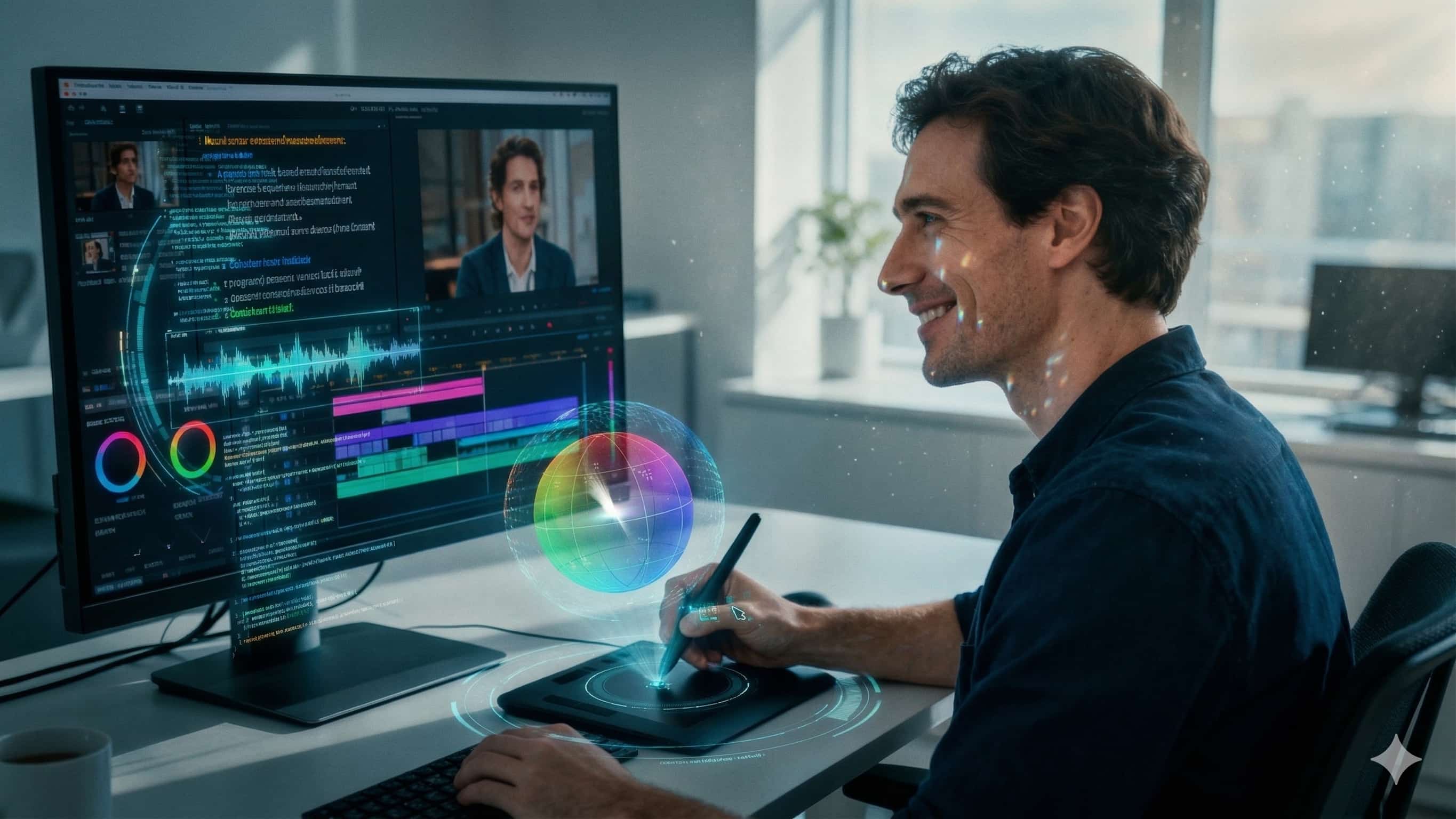
So, what are you actually buying when you hire a professional video editing service? It’s a whole lot more than just cuts and fades. You’re bringing in a specialist to turn your raw footage into a polished, strategic asset that gets results.
Think of it this way: your raw footage is like a block of marble. A great editor is the sculptor who already sees the statue inside and has the right tools to bring it out. Each service is a different tool they use to shape the final masterpiece.
Let's break down the core things you should expect.
Dynamic Multi-Cam Editing
If you're recording with more than one camera for your interviews, podcasts, or events, multi-cam editing is non-negotiable. This is where an editor syncs up all your camera angles and intelligently switches between them. This isn't random—it's done with purpose.
A skilled editor knows exactly when to cut to a different angle to emphasize a key point, capture a reaction, or just keep the viewer from getting bored. The result is a dynamic, broadcast-quality video that feels intentional and holds attention way better than a single, static shot.
Evocative Color Grading and Correction
Color is a massive part of video storytelling. It sets the mood, directs the eye, and builds your brand’s visual identity. A pro service will handle two distinct parts of this process:
- Color Correction: This is the technical fix. The editor ensures shots from different cameras or recorded on different days all match. They adjust exposure, white balance, and contrast to create a consistent, natural look.
- Color Grading: This is where the artistry comes in. The editor applies a specific style to make the viewer feel something—warm tones for an inviting vibe, or cool, sharp colors for a sleek, modern brand.
Consistent color grading across all your videos builds a recognizable visual brand. When a viewer sees your content, they should instantly associate the "look" with your company, even before your logo appears.
Immersive Sound Design and Mixing
Here’s an actionable insight: audio is more important than video. People will tolerate a slightly grainy image, but they’ll click away instantly if the sound is bad. A professional editor gives your audio the serious attention it needs.
This goes way beyond just removing some background hum. A full audio treatment includes:
- Dialogue Enhancement: Making sure every word is crisp, clear, and at a consistent volume. No more straining to hear someone.
- Sound Mixing: Expertly balancing the dialogue, music, and sound effects so everything sits perfectly in the mix.
- Strategic Sound Effects (SFX): Adding subtle sounds—like clicks, whooshes, or dings—to emphasize graphics and on-screen actions, making the video feel more alive and engaging.
Good sound design is the invisible glue that holds a professional video together. It’s what separates a jarring, amateur video from a smooth, immersive experience.
Strategic Motion Graphics and Animation
Motion graphics are the animated text, logos, and other visual elements that make a video pop. Used well, they’re not just for show; they help clarify your message and make key information stick.
A professional editing service will design and integrate graphics that match your branding. This usually includes things like:
- Lower Thirds: The text on screen that identifies a speaker and their title.
- Animated Intros/Outros: Branded animations for the beginning and end of your video.
- Call-to-Action (CTA) Graphics: Visuals that prompt the viewer to subscribe, visit your site, or download a resource.
- Data Visualization: Turning boring stats into animated charts and graphs that are easy to understand.
These graphics are signposts, guiding your viewer’s attention to what matters most.
High-Value Content Repurposing
This is one of the biggest wins you get from a modern professional video editing service. A great editor doesn't just create one final video. They take your core long-form content and slice it into tons of smaller assets for different platforms.
For instance, that single one-hour webinar you recorded can become:
- 10-15 short-form videos perfect for TikTok, Instagram Reels, and YouTube Shorts.
- 3-5 mid-length clips (2-3 minutes) ideal for sharing on LinkedIn and Facebook.
- A dozen quote graphics featuring powerful insights for your social feeds.
This strategy explodes the ROI on your original recording. You turn one piece of content into an entire marketing campaign, getting your message in front of more people in the formats they actually want to watch.
How AI Is Modernizing Video Editing Workflows
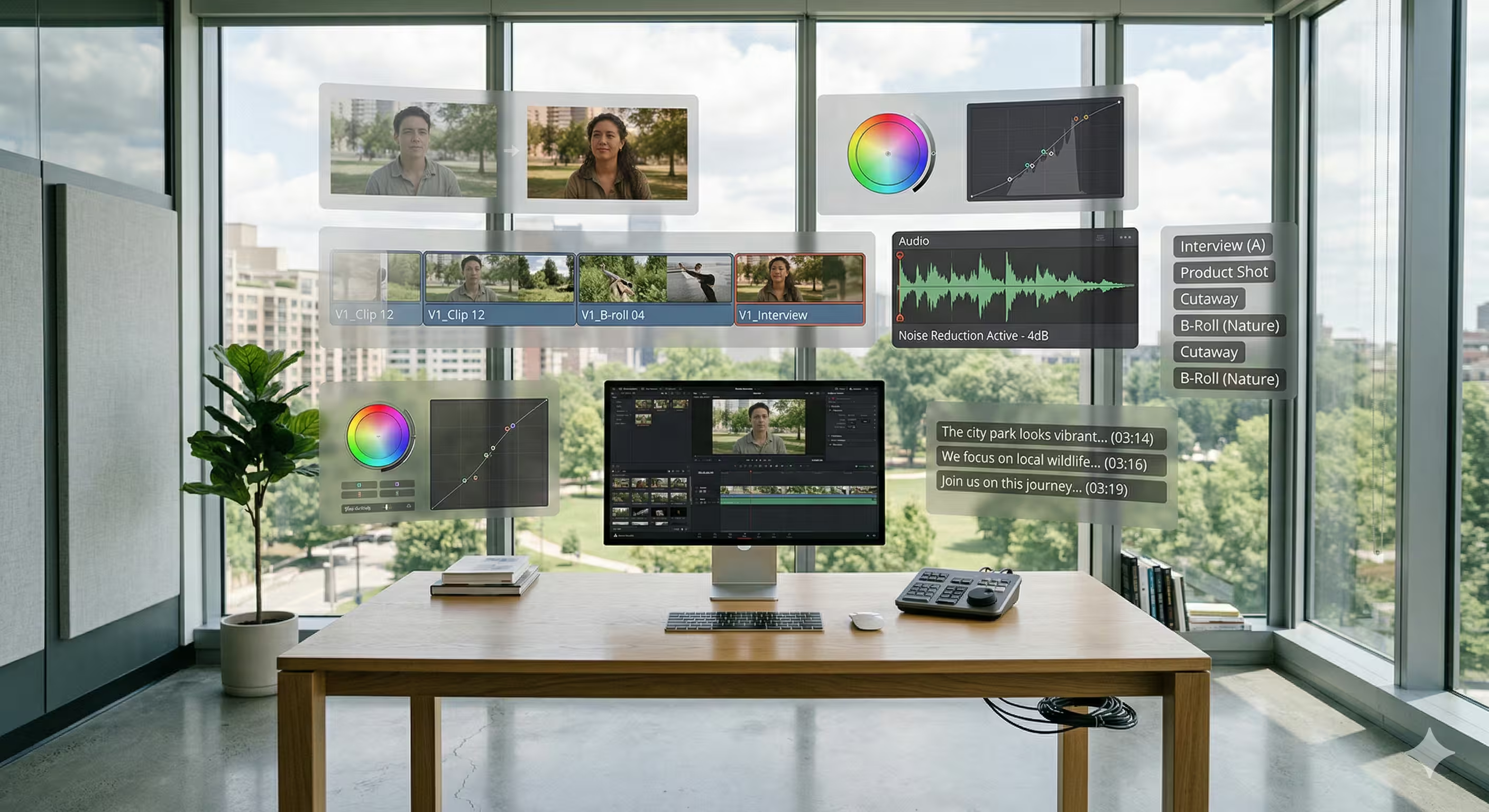
When people hear "AI video editing," they often picture robots taking over the creative process. The reality is far more practical. In a modern professional video editing service, AI functions as a hyper-efficient assistant, handling the grunt work so human editors can zero in on storytelling and strategy.
Think of it this way: AI takes on the repetitive, manual tasks that eat up hours. This lets an expert producer spend their time on what really matters—shaping your narrative, hitting your brand goals, and delivering a polished final product. It’s not about replacing creativity; it’s about using smart tools to get you better results, faster.
Automating the Tedious Work
The most immediate win with AI is its power to automate the most tedious parts of post-production. This is where the time-saving magic happens, directly impacting turnaround times and giving you a finished video much sooner.
Here are a few actionable ways AI eliminates the busywork:
- Automated Transcription: AI tools can create a full, word-for-word transcript in minutes. An editor can then simply search for a keyword to find that exact moment in the video, a task that used to involve hours of manual scrubbing.
- Scene Detection: Instead of watching hours of footage to find specific topic changes, AI can scan the video and automatically create logical chapters based on visual cues or shifts in the conversation.
- Filler Word Removal: Cleaning up "ums," "ahs," and verbal stumbles can be done with a single click. AI identifies and removes these filler words instantly, saving an editor a massive amount of time on interviews and presentations.
This automation is what allows for a much faster first draft. For a service like micDrop, this AI-human partnership makes a 48-hour revision cycle possible, getting a polished cut in your hands while the content is still top of mind.
Smarter Editing with AI Assistance
Beyond just automation, AI also acts as a strategic advisor. It can analyze footage and serve up data that helps an editor make smarter decisions, all while the human remains firmly in charge of the story.
The real power of AI in video editing isn't in making creative choices itself. It’s in presenting the human editor with a menu of smart, pre-analyzed options, dramatically speeding up the decision-making process.
The business impact is already clear. Recent reports show 63% of businesses find AI video tools slash production costs by an average of 58% compared to traditional methods. By handling tasks like basic color correction and scene detection, AI can cut post-production time for corporate videos by up to 25%. You can explore more of these video editing statistics to see the full picture of efficiency gains.
The Human-in-the-Loop Advantage
At the end of the day, AI is a tool—it’s not the artist. Any professional video editing service worth its salt uses a "human-in-the-loop" model. The AI might suggest a color grade, but a human colorist makes the final call to ensure it matches your brand's unique aesthetic and the video's emotional tone.
This blend of machine speed and human expertise is the future of video production. AI handles the science—syncing clips, transcribing audio, and trimming dead air—while the human expert focuses on the art of telling a compelling story. This ensures that while your videos are produced with incredible efficiency, they never lose that strategic nuance and creative spark that only a skilled producer can deliver.
The Journey from Raw Footage to Final Cut
So, what actually happens after you upload your raw files? Working with a professional video editing service isn't some mysterious process where you send footage into a void and cross your fingers. It’s a transparent, collaborative workflow designed to get your raw concepts to a polished final cut.
Think of your editor as a master builder. You wouldn't just give them a plot of land and a vague idea; you'd review blueprints, check in on progress, and have a say in the final fixtures. The video editing workflow is the same—it’s built on clear communication and a shared vision.
The Kickoff and Asset Collection
The whole process kicks off with a strategic onboarding call. This isn't just a formality—it’s a crucial session where you and your dedicated producer align on the video’s entire vision. You'll nail down the target audience, key messages, desired tone, and any brand guidelines.
Next, we gather the "building materials." You’ll upload everything into a shared, organized folder so nothing gets lost. This typically includes:
- Raw video files from every camera used.
- Separate audio recordings for that crisp, professional sound.
- Brand assets like logos, specific fonts, and your color palette.
- Any supporting materials such as B-roll, presentation slides, or scripts.
Getting this right from the start ensures your editing team has everything they need, preventing delays and making sure that first draft hits the mark.
The First Cut and Feedback Cycles
With all the assets in hand, the editor gets to work on the "first cut." This is the initial assembly of your story. The editor syncs all the audio and video, lays out the narrative, and makes the first pass at choosing the best takes and camera angles.
This first version isn't supposed to be perfect. Its job is to give you a solid foundation to review—the blueprint of your video. You’ll see the story’s flow and pacing, then provide feedback on what to change, improve, or swap out.
This back-and-forth feedback loop is the core of great collaboration. Services that offer unlimited revisions are gold because they let you fine-tune the video until it’s exactly right, without you having to worry about getting nickeled and dimed for every round of changes.
The Polishing and Refinement Stage
Once you’ve given feedback on the first cut, the editor moves into the polishing phase. This is where the magic happens and the video really starts to come alive. That raw structure gets layered with all the details that separate amateur content from a professional production.
Several things happen at once during this stage:
- Color Correction and Grading: The editor ensures every clip has a consistent, clean look. Then, they apply a stylistic color grade that matches your brand’s mood.
- Sound Design and Mixing: This is where great audio is made. Dialogue is cleaned up and balanced with music and sound effects for an immersive listening experience. We get into the weeds on advanced techniques in our guide to editing with Reaper.
- Motion Graphics Integration: Branded intros, lower thirds, and call-to-action animations are added to highlight key points and direct your viewer’s attention.
Final Delivery and Distribution
After the final polish and your green light, you get the master file. But a truly professional video editing service knows the job isn't done yet. The last step is setting your video up for success on every platform you care about.
Your master video is then optimized and repurposed for each channel. You don’t just get one video file; you get a complete suite of assets ready to go:
- The full-length video, perfectly formatted for YouTube.
- A handful of short-form clips sized for Reels, TikTok, and Shorts.
- A square or vertical version for your LinkedIn or Instagram feeds.
This strategic approach to delivery makes sure your investment gets maximum ROI, turning one core piece of content into a multi-channel campaign that meets your audience where they are.
Choosing the Right Video Editing Partner for Your Brand
Finding the right video editing service isn't about hiring someone to just cut clips together. It’s about finding a strategic partner who gets your brand, your audience, and your goals. The difference between a simple task-taker and a true video partner is huge, and it shows in the final product.
Making the right choice means looking past the sizzle reel and digging into their experience, communication style, and technical chops. You want a team that will actively elevate your content, not just check boxes.
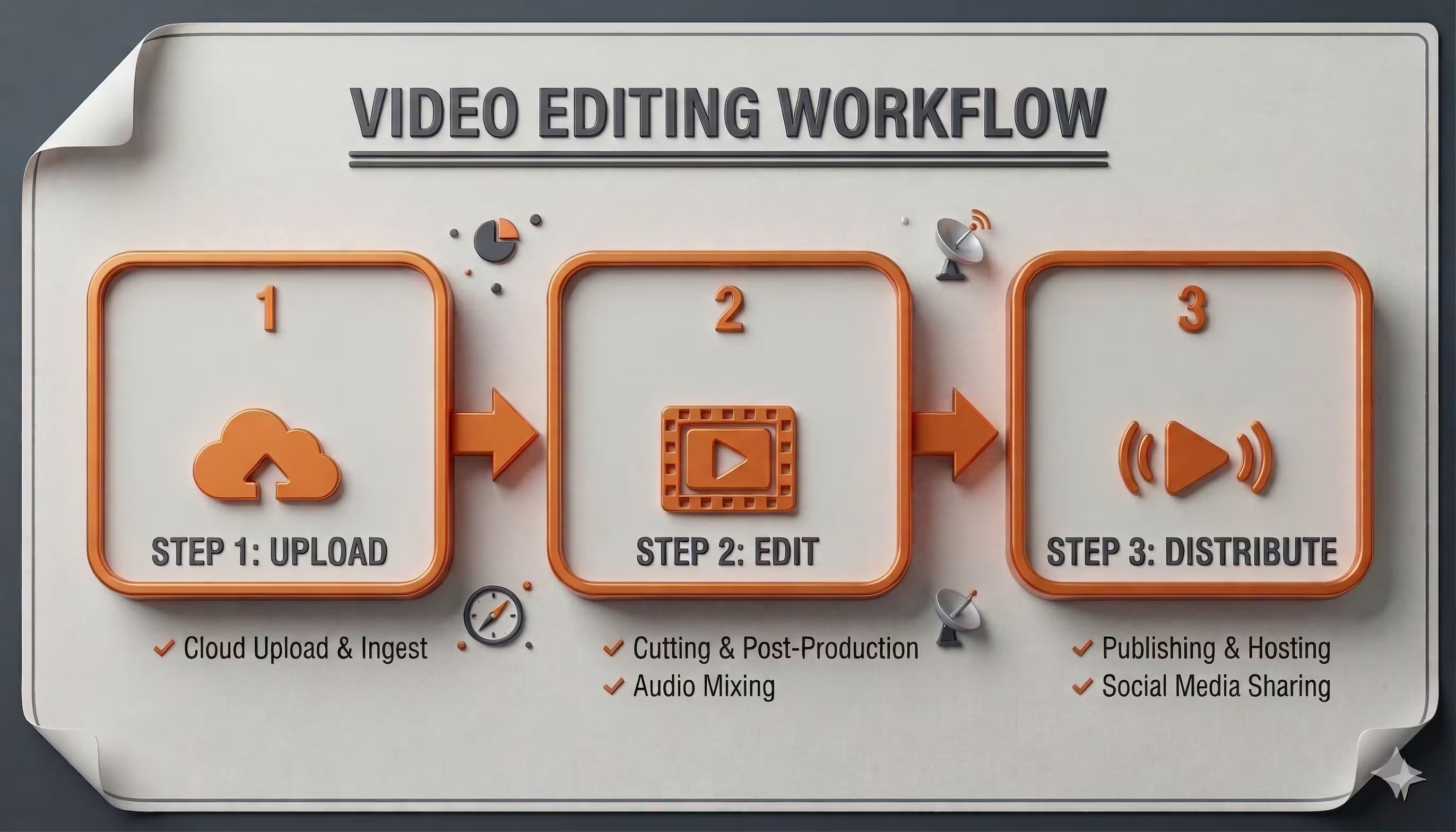
A professional workflow is clean and simple: you upload your raw footage, they work their magic, and you get back polished, ready-to-distribute content.
Vetting Potential Partners: A Checklist
To tell a true partner from just another vendor, you need to ask the right questions. Use this checklist on your evaluation calls—a great partner will have clear, confident answers for every point.
- Portfolio Review: Do they have direct experience in your niche? If you run a B2B tech podcast, look for examples of exactly that, not just wedding videos. The work should reflect the quality and style you're after.
- Communication Workflow: How will you communicate? Ask if you'll have a dedicated producer or a single point of contact. A smooth process depends on knowing who owns the project and how feedback is handled.
- Technical Capabilities: Can they handle your files and requests? Confirm they can work with multi-cam 4K footage, perform advanced sound mixing, or create the custom motion graphics you need.
- Strategic Input: Do they just take orders, or do they offer ideas? A top-tier service provides insights on video structure, audience engagement, and even distribution tactics.
The best video partners act like an extension of your marketing team. They should be proactively bringing ideas to the table, not just waiting for instructions.
This detailed vetting is crucial for making a real impact. You can see how this philosophy applies to larger-scale projects in our guide on corporate video production services.
To help you keep track, use this simple scoring sheet as you talk to different editing services. It makes comparing your options objective and straightforward.
Vendor Evaluation Checklist
After you've scored each potential partner, the right choice is often the one with the highest score, not necessarily the lowest price.
Understanding Pricing Models
The cost of a professional video editing service varies quite a bit. It’s important to understand the two common pricing models so you can find one that fits your budget and content rhythm.
First up are productized plans. These are usually monthly subscriptions with set deliverables, perfect for brands with a consistent output, like a weekly videocast. A package might include editing a certain number of episodes per month, complete with short-form clips and thumbnails, all for a flat fee. This model gives you predictable costs and a streamlined process.
The second model is custom quotes. This is the way to go for one-off projects or complex videos that don’t fit a standard plan, like a brand documentary, an event sizzle reel, or a detailed training series. You get total flexibility, but it requires a more detailed scope of work upfront.
The investment pays off. According to data from Wyzowl, companies using video see 49% faster revenue growth, and 91% of marketers say it's a vital part of their strategy. Outsourcing for $1,500-$5,000+ a month is often far more cost-effective than building an in-house team, which can require a $2,000-$5,000 workstation plus annual software licenses. Choosing the right partner and pricing model makes a premium video strategy both accessible and scalable.
Common Questions About Outsourcing Video Editing
Thinking about outsourcing your video editing? It's a smart move, but it's natural to have questions about the nuts and bolts—cost, control, and timelines.
Let's clear the air and tackle the big questions business leaders ask before they build a partnership that truly scales their content.
How Much Should I Budget for Video Editing?
This is always the first question, and for good reason. For a steady flow of content like a weekly videocast, a subscription model makes the most sense. These plans give you predictable costs, typically ranging from $1,500 to $5,000+ per month, for a set volume of videos and short-form clips.
If you’re looking at a one-off project, like a brand documentary or a major event recap, you’ll be looking at a custom quote. These can run anywhere from a few thousand to tens of thousands of dollars, all depending on the project's complexity.
Think of it less as a cost and more as an investment in growth. High-quality video has a direct line to your brand's perception and bottom line. According to Wyzowl's 2023 State of Video Marketing report, companies that use video marketing grow revenue 49% faster than those that don't. It's a powerful engine for your business.
What Turnaround Time Can I Expect?
You need to move fast, but quality is non-negotiable. A top-tier professional service builds its workflow around efficiency and predictability. For a standard edit—say, a 30-60 minute webinar or podcast episode—you should see a first draft in 3-5 business days.
But the best services are pushing those timelines. Some providers, like micDrop, operate on a rapid 48-hour revision cycle. This means you're getting updates and new cuts fast, keeping your project's momentum high without those long, frustrating waits between versions.
Will I Lose Creative Control by Outsourcing?
This is a big one. The fear is real: you hand off your raw footage and get back something that just doesn’t feel like your brand.
A true partner-focused service makes sure this never happens. The entire process is built on collaboration. Here’s what a good workflow looks like:
- Strategic Onboarding: You'll kick things off by aligning with your dedicated producer on goals, brand voice, and the specific style you're after.
- Clear Feedback Loops: You get to review drafts and provide specific, direct feedback so your vision is executed perfectly.
- Unlimited Revisions: This is the ultimate safety net. It means the job isn't done until you are 100% satisfied. You’ll never be stuck with a video you don't absolutely love.
Outsourcing isn't about losing control. It's about gaining an expert collaborator who brings your vision to life.
Can an Editing Service Help with My Strategy?
They absolutely should. A basic editor just follows orders, but a strategic video partner helps you build the game plan. They don't just cut clips; they bring valuable insights to the table that make your entire video program better.
Look for a service that gives you actionable insight on things like:
- Content Pacing: How to structure your videos to keep your audience watching until the very end.
- Platform-Specific Cuts: Why a certain clip will perform better on LinkedIn versus TikTok.
- Engagement Tactics: Fresh ideas for on-screen graphics, calls-to-action, and storytelling that will get your audience to react.
The right professional video editing service acts as an extension of your marketing team, actively helping you hit your goals and get the best possible return on your investment in video.
Ready to stop worrying about video production and start scaling your content? micDrop provides an end-to-end video production service that pairs you with a dedicated producer to handle everything from editing and graphics to strategic repurposing. Learn how micDrop can elevate your brand's storytelling.


