Podcasts Vs YouTube: Which Platform Wins for Brands in 2026
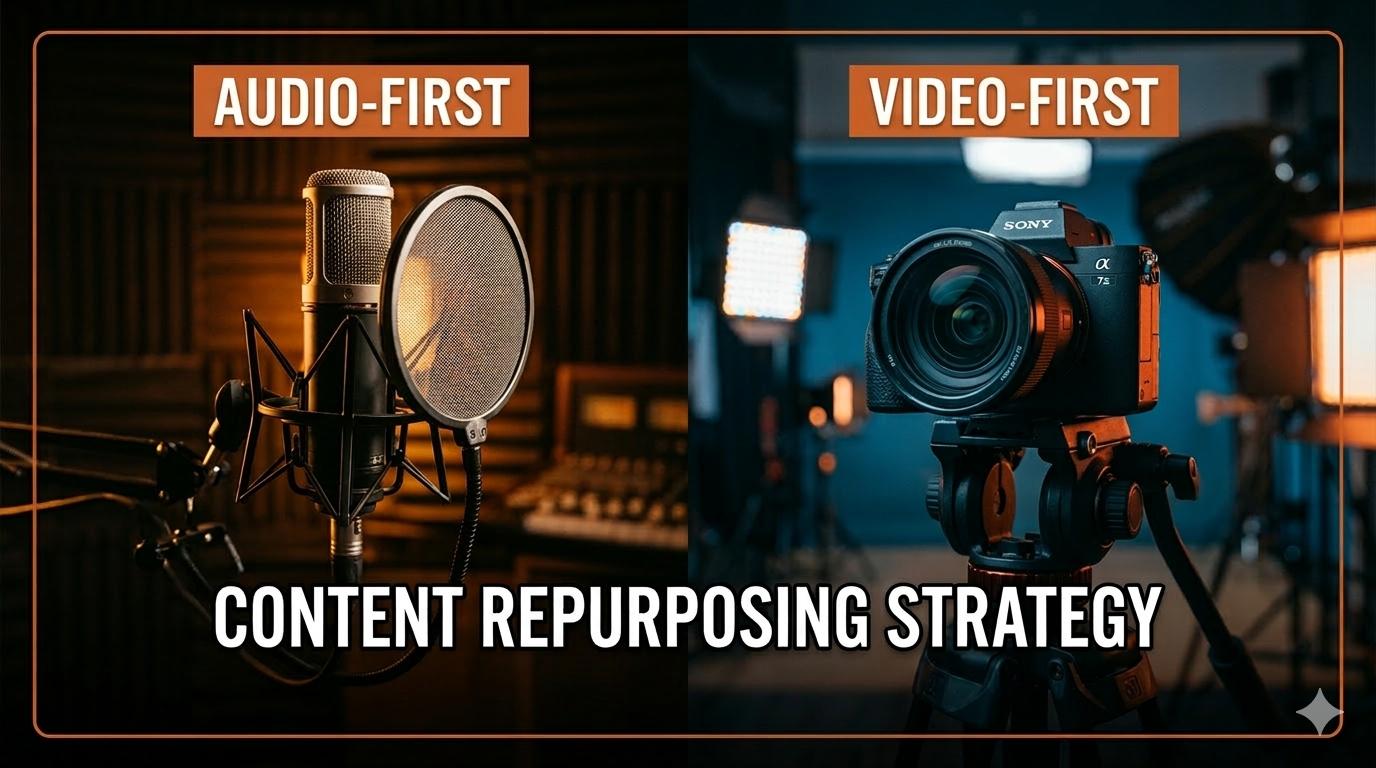
The heart of the podcasts vs YouTube debate really boils down to one thing: YouTube gives you better reach and more content for your effort, while audio-only podcasts connect with a more passive, multitasking listener. If you're a brand looking for serious growth and content versatility in 2026, the answer is clear: a video-first strategy on YouTube is your best bet. It’s both a discovery powerhouse and a home for your most engaged audience.
The decision hinges on whether you want to own a niche or build a widely recognized brand.
The 2026 Content Showdown
Picking between a podcast and a YouTube channel isn't the "either/or" choice it used to be. The lines are not just blurry; they've been completely redrawn. Video now dictates how most people find and consume long-form content. What was once an audio-first world has made a hard pivot to visuals.
The numbers don't lie. YouTube has quietly become the undisputed king of podcast consumption. In fact, 70% of all podcast consumers now use YouTube to either watch or listen to shows. A staggering 33% of podcast listeners in the U.S. now say YouTube is their number one platform for weekly listening (Source: Cumulus Media). You can dig into more of these video podcast statistics to see why so many brands are making the switch.
For brands and leaders, this isn't just a passing trend—it's a seismic shift in audience behavior. A video-first YouTube strategy isn't just a nice-to-have anymore; it's essential for discovery and long-term growth.
Quick Decision Matrix Podcasts Vs YouTube
To help frame the decision, let's look at a high-level comparison. This table is a great starting point for seeing which platform lines up with your resources, goals, and audience.
While this matrix gives you a quick snapshot, the real devil is in the details. We'll break down each of these factors throughout this guide to give you the full picture.
Aligning Platform Choice With Audience And Goals
The whole podcasts vs. YouTube debate isn't really about picking a format. It’s about strategy. You have to match your content to how your audience behaves and what you actually want to accomplish for your business. Nail this alignment, and you’re on your way to creating content that genuinely works.
Think about how people listen to an audio podcast. It's often a 'lean-back' experience. They're multitasking—driving to work, at the gym, walking the dog. They're a captive audience, but they're passive, absorbing information without being glued to a screen. This makes audio perfect for reaching busy professionals and establishing authority in a niche where a deep dive into a topic is more valuable than flashy visuals.
Now, flip that. A YouTube viewer is usually in a 'lean-forward' mode. They are actively watching, looking for a visual demonstration, a tutorial, or a more direct connection with the host. The visual element lets you communicate so much more through body language and on-screen graphics, which is a game-changer for building a personal brand and a highly engaged community.
Mapping Your Goals To The Right Platform
Your primary KPIs should be the deciding factor here. Are you trying to cast a wide net for brand awareness, generate high-quality leads, or cement your status as a thought leader? Each platform is built to serve different goals.
If your main objective is to reel in qualified B2B leads, an audio podcast can be your secret weapon. It gives you the space to unpack complex subjects in detail, positioning you as the go-to expert for a very specific, self-selected audience of industry insiders. But if your goal is mass-market brand recognition, YouTube’s gigantic user base and potential for viral hits give you a much bigger stage to play on.
Audio podcasts build deep authority with a niche, captive audience. YouTube builds a personal brand and engages a broad, visually-driven community. Your main goal should point you to your main platform.
This difference is everything. A financial advisor might launch a podcast to discuss complex investment strategies with an already knowledgeable audience. Meanwhile, a fitness coach would be much better off on YouTube, where they can physically demonstrate proper exercise form—something audio just can't do.
Audience Intent: The Deciding Factor
You have to get inside your audience's head and ask why they choose a specific platform. Someone searching for "how to fix a leaky faucet" is heading straight to YouTube for a visual walkthrough. No question. But someone wanting to understand the future of AI during their morning commute will probably fire up a podcast.
This fundamental difference in user intent has huge implications for your content strategy:
- For demonstrating processes or products: YouTube is the undisputed champ. Visuals are a must for any "how-to" content, product reviews, and software tutorials.
- For deep-dive interviews and storytelling: Audio podcasts shine here. They allow for focused listening without any visual distractions, making them ideal for complex narratives and in-depth conversations.
- For building a strong personal connection: YouTube often has the upper hand. Viewers can see your face and your environment, which creates a sense of familiarity and trust that’s tougher to build with audio alone. If you want to dive deeper, check out our guide on why podcasts are effective for business, where we explore how both formats can drive real growth.
Ultimately, choosing between audio and video boils down to one simple question: How does my ideal customer prefer to learn about this specific topic? Answering that will lead you straight to the platform where your message will not only be heard but will also make the biggest impact. The most successful brands and leaders get this right every time.
Comparing Production Costs And Workflows
Let's be honest: production is usually the biggest sticking point when brands weigh podcasts against YouTube. It's easy to assume audio-only is the cheaper, faster route, but that's a surface-level take that ignores the bigger picture of asset creation and long-term value.
When we look at the actual costs and workflows, a much more interesting reality comes into focus.
The podcasts vs YouTube debate almost always kicks off with equipment. You can absolutely get a basic audio podcast off the ground for under $200 with a decent USB mic and free software like Audacity. But for that crisp, professional sound that builds listener trust, you’ll quickly need to invest in gear like an audio interface for podcasting and basic sound treatment.
On the video side, the initial buy-in is higher. You'll need a camera, some lighting, and a quality microphone. But that cost gap is shrinking fast. A solid starter video setup can be put together for under $1,000, and today’s smartphones shoot surprisingly high-quality video.
The True Cost of Editing Time
Equipment is a one-time cost. Your time is the real currency, and this is where audio and video workflows truly split. Editing directly impacts your team’s bandwidth and how scalable your content can be.
An audio-only podcast edit is fairly linear. The main jobs are:
- Cutting out mistakes and awkward silences.
- Balancing audio levels so everything sounds even.
- Mixing in your intro and outro music.
A good editor can polish a one-hour audio file in 2-4 hours. It’s a manageable process for a small team, but you’re left with just one asset: the audio file.
Video editing is a different beast entirely. It takes everything from the audio workflow and adds several visual layers, demanding more time and a broader skillset.
While video production has a higher initial cost, its value in audience engagement and content repurposing delivers a far greater long-term return on investment.
A single video episode can easily consume 8-16 hours of editing. You’re not just cutting audio; you're switching camera angles, color grading the footage, adding B-roll, creating graphics, and designing thumbnails that get clicks.
DIY vs Full-Service Production A Strategic Decision
Deciding between a DIY approach and partnering with a production service like micDrop isn't just about budget; it's a strategic choice. A DIY workflow looks cheaper on paper, but the hidden costs in time, training, and inconsistent quality can cripple your momentum.
For most brands, every hour spent on technical production is an hour not spent on strategy, sales, or running the business. This is where a full-service partner becomes a powerful asset, not just another line item.
Production Cost and Workflow Comparison
Ultimately, choosing a full-service production partner transforms video from a logistical headache into a scalable content engine. It puts professional-grade video within reach, allowing your brand to compete at the highest level without having to build an in-house production studio. This reframes the podcasts vs YouTube debate—it’s not just about cost, but about smart resource allocation.
Getting Found: YouTube's Discovery Engine vs. Podcast Directories
Making great content is one thing, but getting it in front of the right people is a completely different ballgame. When we talk about podcasts vs. YouTube, this is where the two paths really diverge. One gives you a powerful, built-in engine for growth, while the other demands a much heavier lift from you to build an audience.
Think of it this way: YouTube is, at its core, a search engine. It's the second largest in the world, right after its parent company, Google. This is huge. An episode you publish today, if optimized with the right keywords and a strong thumbnail, can keep finding new viewers for years. The algorithm is literally designed to do the work for you.

That algorithmic advantage is the game-changer. YouTube actively pushes your videos to new people through search results, the home feed, and suggested videos. An audio podcast, on the other hand, exists in a much more closed-off ecosystem.
The Uphill Battle of Podcast Discovery
Podcast apps like Apple Podcasts and Spotify work more like libraries than discovery engines. For the most part, listeners open these apps already knowing what show or host they're looking for. This makes it incredibly tough for new podcasts to cut through the noise.
If you’re launching an audio-only podcast, your growth strategy will almost certainly depend on:
- Charting: This means coordinating a massive push right at launch to hit the "New & Noteworthy" or top charts. It’s a great boost, but the momentum is almost always temporary and difficult to maintain.
- Cross-Promotion: Your success often hinges on your ability to get on other podcasts as a guest or pay for ads on established shows to borrow their audiences.
- Manual Promotion: You are the engine. You have to drive traffic to your show through your email list, social media channels, and every other marketing tool you have.
This puts a tremendous promotional burden squarely on your shoulders. Without an algorithm working in the background to find new listeners, your podcast's growth can hit a wall as soon as your initial marketing push runs out of steam. It's a critical point to consider for the long-term health of your show and you can learn more about audience growth by exploring the global podcast market.
Why YouTube’s Discovery Engine Is Unmatched
YouTube’s entire platform is built for discovery. While audio platforms hold their own, YouTube now commands 33% of listeners (Source: Cumulus Media), a clear sign that audiences are flocking to video. For brands, this is a massive opportunity; the platform accounts for 12.5% of all U.S. streaming time, more than any other service. You can dig into more of this data by reviewing recent podcasting statistics.
Audio platforms are destinations where people go to find content they already know. YouTube is an exploration engine where people discover content they never knew they needed.
This simple difference is everything. It means your content is constantly being put in front of new, relevant audiences. YouTube’s goal is to keep people on the platform, so it has a vested interest in matching your videos with the right viewers. This creates a powerful flywheel effect: the more people watch, the more the algorithm promotes your video, driving sustainable, organic growth that's nearly impossible to replicate with an audio-only strategy.
Building a Powerful Content Repurposing Flywheel
In the contest between podcasts vs YouTube, the most successful brands don't just make content—they build content engines. Efficiency and multiplying your assets is the name of the game, and this is where a video-first strategy truly shines. It lets you create a content flywheel, where a single piece of content can power an entire marketing campaign.
When you start with an audio-only podcast, you get one primary asset: the audio file. It’s valuable, but its journey often ends there. Starting with a single long-form video, however, gives you an entire library of assets right from the start.
Starting with audio gives you one asset. Starting with video gives you an entire content campaign.
This “record once, publish everywhere” mindset changes content production from a simple checklist to an engine for growth. It makes sure every minute you put into creating delivers value across all your channels, maximizing your return on effort.
The Video-First Repurposing Workflow
A video-first approach isn't about creating more work; it’s about being smarter with the work you already do. It creates a system where breaking down your content becomes a predictable and powerful part of your process.
Let's say you just finished recording a one-hour video podcast with a guest. Here’s what that one session can generate:
- The Full Video Episode: This is your pillar content for YouTube. It’s built for search, holds the attention of your most dedicated audience, and becomes the source for everything else.
- The Full Audio Episode: Simply pull the audio from your video file, and you have a podcast episode ready for distribution on Spotify, Apple Podcasts, and other audio platforms. This reaches listeners who prefer to tune in while on the go.
- Short-Form Vertical Videos: Your editor can find 5-10 of the best moments—a sharp insight, a surprising stat, or a great story. These are quickly reformatted into vertical clips for TikTok, Instagram Reels, and YouTube Shorts to drive discovery and pull new audiences back to your main content.
This simple workflow turns one hour of recording into a week's worth of diverse, channel-specific content.
Beyond Video and Audio Clips
But the flywheel doesn't stop spinning there. Having that original video opens the door to creating even more assets—something an audio-only strategy just can't do.
- Quote Graphics: Pull powerful statements from your guest or host and create branded images for LinkedIn and Twitter. The video makes it easy to find that perfect, hard-hitting quote.
- Audiograms: Pair a great audio clip with a dynamic waveform and a background image or video. These are fantastic for social feeds, grabbing attention without needing a full video watch.
- SEO-Rich Blog Posts: Use the video's transcript as the foundation for a full article on your website. This helps you capture traffic from Google search, and you can embed the full YouTube video and clips to keep readers engaged.
This approach means you're meeting your audience on every platform with content that feels native to that channel.
Business blogger Paige Brunton explained she pivoted to YouTube because "organic traffic is SO vital to my business" and it helped her "further own the SEO search results." That move was only possible because she had a team to handle the production, but it highlights the sheer potential. An audio-first strategy just can't compete, leaving a massive amount of marketing opportunity behind.
Your Decision Framework: Podcast vs. YouTube
So, after looking at production, discovery, and repurposing, it’s time to make the call. The choice between podcasts and YouTube isn’t about which one is “better”—it’s about which one is the right strategic move for your specific goals, budget, and team.
This decision really boils down to a trade-off: accessibility now versus long-term asset value. An audio-only podcast is the path of least resistance to get started. But a video-first approach on YouTube builds a far more powerful and versatile content engine for the future.
Go With an Audio-Only Podcast If…
An audio-only show still makes sense in a few specific situations, especially when resources are tight. It lets you get in the game and build authority without getting bogged down by the complexities of video.
Consider an audio-only strategy if this sounds like you:
- Your Budget Is Extremely Tight: If you can't swing even a basic video setup, a simple audio rig gets you started immediately. Just make sure you nail the sound quality—it has to be excellent.
- Your Goal Is Niche Authority: For B2B brands talking to a small, hyper-specific audience (think enterprise software developers or financial analysts), audio works great for deep-dive conversations where visuals aren’t really needed.
- You're a One-Person Show (or a Tiny Team): If you’re flying solo, the time required for video editing can be a deal-breaker. An audio workflow is much more manageable when you’re stretched thin.
This path is all about starting lean and focused. Just be realistic from day one about its limitations when it comes to audience growth and repurposing content.
Go With a Video Podcast If…
For most brands serious about growth, a video podcast is the undisputed winner for 2026 and beyond. It simply delivers the best possible reach, engagement, and long-term content value.
A video-first strategy is the right move if you want to achieve:
- Maximum Audience Growth: YouTube’s discovery algorithm is in a league of its own. If your main goal is reaching the biggest audience possible and constantly attracting new followers, video is your ticket.
- A Strong, Memorable Brand: Visuals build connection. A video podcast lets your audience see you, building a recognizable brand and a community that feels a real connection to your message.
- Maximum Long-Term Content Value: If you want every single episode to work harder for you, video is the answer. It’s the key to creating a powerful content flywheel that spins off clips, quotes, and articles to fuel your entire marketing plan.
This flowchart shows the huge difference in asset creation between an audio-first and a video-first workflow.

The takeaway is simple: an audio-first show creates one core asset. A video-first show creates an entire content ecosystem.
For a sustainable media presence in 2026, a video-first strategy isn't just an option—it’s a strategic necessity. The investment in video production pays dividends through superior audience discovery, deeper engagement, and an endless supply of repurposable assets.
Whether you decide to handle production yourself or work with a partner like micDrop, a video-first approach secures your brand’s relevance. It turns your show from a simple broadcast into a dynamic content engine that drives growth across all of your channels.
Your Top Questions, Answered
As you weigh the podcasts vs YouTube decision, a few practical questions always seem to pop up. Let's tackle them head-on so you can move forward with a clear strategy.
Is It Better To Start With A Podcast Or A YouTube Channel In 2026?
For the most bang for your buck and long-term potential, we recommend starting with a video podcast on YouTube in 2026. This "record once, publish everywhere" model is the most efficient way to operate. You immediately tap into YouTube's massive built-in audience while also having the perfect source material to create an audio-only version for all the major podcast platforms.
Even better, this approach gives you a treasure trove of short-form video clips—the lifeblood of discovery on social media.
Can I Just Upload Audio With A Static Image To YouTube?
You can, but it’s one of the most common and damaging mistakes we see. This approach simply doesn't work. YouTube is a visual platform, and its algorithm is built to reward content that keeps people watching.
A static image does the opposite. It kills your watch time, tanks your discoverability, and signals to potential viewers that you put in minimal effort. To get any real traction on YouTube, you have to provide dynamic video, even if it's a simple, well-produced remote recording.
A static image on YouTube is an instant red flag to the algorithm and your audience. If you want to tap into YouTube's powerful discovery engine, you have to play by its rules—and that means creating visually engaging content.
How Much Does A Professional Video Podcast Cost?
The cost really depends on how you want to do it. A DIY setup can get you started for a few hundred dollars in equipment, but the real cost is the massive time commitment required for editing and post-production.
For a truly polished show that reflects your brand’s standards, partnering with a production service is almost always more efficient. You get predictable monthly costs that cover everything from production and editing to branding and distribution. It's the fast track to professional quality without the overhead and headache of building an in-house team.
Which Platform Is Better For Monetization?
Both platforms have solid monetization options, but YouTube’s pathways are more accessible, especially early on. With YouTube, you can start earning through:
- The YouTube Partner Program (ad revenue)
- Channel memberships
- Super Chats and Super Thanks
Podcasts, on the other hand, primarily monetize through host-read ads, sponsorships, and affiliate deals. These opportunities are fantastic, but they usually require a much larger and more established audience before brands will take notice. YouTube’s built-in tools let you generate revenue from multiple streams much sooner in your growth journey.
Ready to launch a high-quality video podcast without the production headaches? micDrop provides end-to-end production, from guided remote recording to multi-platform distribution, letting you focus entirely on your message. Book a call to get started.


